Understanding the Fitzpatrick Scale
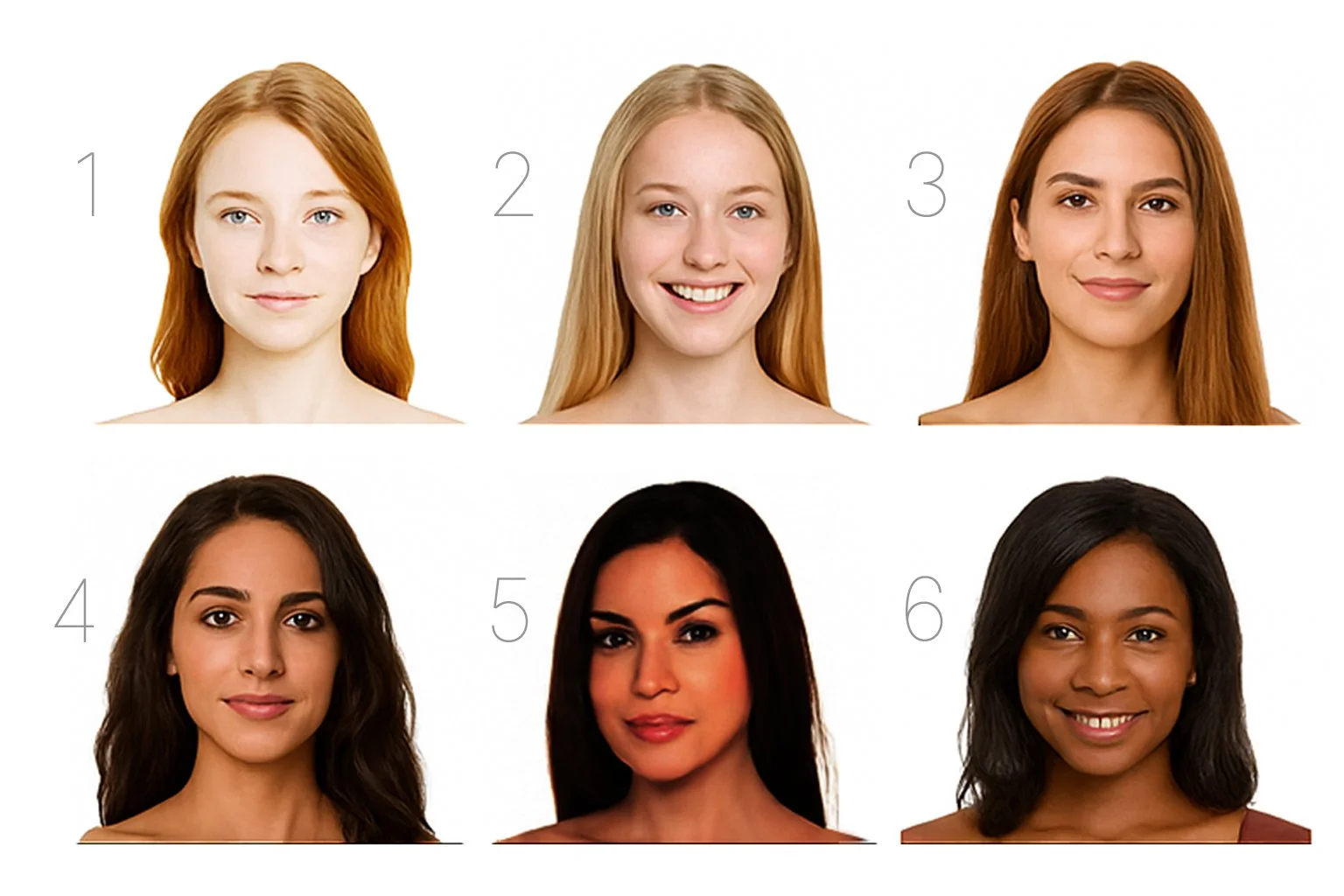
Understanding the Fitzpatrick Scale: What It Means for Your Skin
If you’ve ever struggled to match your foundation or wondered why your skin reacts differently to the sun, the answer might lie in your Fitzpatrick skin type. This dermatological classification helps determine how your skin responds to sun exposure — and it’s an essential tool for creating safe, effective, and customized facial treatments.
At authentic skin, we use the Fitzpatrick Scale to tailor every skincare treatment to your skin tone, sensitivity, and needs — helping you achieve a radiant, healthy complexion while protecting your skin from damage.
What Is the Fitzpatrick Scale?
The Fitzpatrick Skin Type Scale was developed in 1975 by dermatologist Dr. Thomas B. Fitzpatrick to measure how different skin tones respond to ultraviolet (UV) light. Originally designed to determine light therapy dosages for skin conditions like psoriasis and eczema, the scale quickly became a cornerstone in dermatology and professional skincare.
Today, estheticians and dermatologists use it to assess sun sensitivity, pigmentation, and risk of sun damage — all critical factors when designing safe facial treatments or recommending skincare products.
The Six Fitzpatrick Skin Types
The Fitzpatrick Scale includes six different skin types, ranging from very fair to deeply pigmented. Each type reacts differently to UV exposure and skincare treatments.
Type I: Very fair or ivory skin; red or blonde hair; light blue, green, or gray eyes. Always burns, never tans, and often freckles.
Type II: Fair skin with blonde hair and light eyes. Burns easily, tans minimally, and may freckle.
Type III: Light to medium beige skin with golden undertones. Sometimes burns, gradually tans.
Type IV: Olive or light brown skin with dark hair and brown eyes. Rarely burns, tans easily.
Type V: Medium to dark brown skin; dark eyes and hair. Tans deeply, seldom burns.
Type VI: Deeply pigmented dark brown skin; black hair and dark eyes. Never burns, always tans richly.
Understanding your Fitzpatrick skin type helps you make smarter choices about sun protection, facial treatments, and even at-home skincare routines.
Why Your Fitzpatrick Type Matters
Knowing your Fitzpatrick number gives insight into how much sun exposure your skin can tolerate and how it might react to certain skincare treatments.
Sun Protection:
Everyone should wear daily SPF, but fairer skin types (I–II) should use higher SPF levels (50+) to prevent sun damage, melasma, and premature aging. Darker skin types (III–VI) also need daily SPF 30 to protect against hyperpigmentation and uneven tone.Customized Facials:
Understanding your skin’s sun sensitivity helps estheticians safely perform treatments such as chemical peels, laser therapy, and microneedling.Types I–III: Typically tolerate resurfacing and brightening treatments well.
Types IV–VI: Require extra care to avoid post-inflammatory hyperpigmentation (PIH).
At authentic skin, every treatment is thoughtfully customized to your skin tone and sensitivity — ensuring visible results without irritation or damage.
Fitzpatrick Type vs. Skin Type: What’s the Difference?
Your Fitzpatrick skin type describes how your skin reacts to sun exposure, while your skin type refers to oil production and hydration (normal, oily, dry, or combination).
Both are essential when designing the right skincare plan. During your consultation at authentic skin, we assess both factors to create a truly personalized facial experience that supports your skin’s health and glow.
Safe and Effective Treatments for All Fitzpatrick Types
At authentic skin, we believe beautiful skin is healthy skin — and that means working with your natural tone, not against it. All of our treatments are designed to be safe and effective for every Fitzpatrick skin type.
Whether you’re interested in brightening facials, hydrating treatments, or gentle exfoliating peels, our advanced techniques and professional-grade products deliver real results with minimal downtime.
We carefully select ingredients like vitamin C, alpha hydroxy acids, and botanical antioxidants to renew, protect, and balance all complexions — from the fairest to the deepest tones.
How authentic skin Personalizes Your Treatment
Your skin tells a story — and understanding your Fitzpatrick type helps us listen better.
During your visit, we:
Analyze your skin tone and reaction to the sun.
Identify your primary skin type and any sensitivities.
Customize your facial or treatment plan to enhance your glow safely.
The result? Skin that looks healthy, feels balanced, and radiates confidence — no matter your Fitzpatrick number.
Discover Your Fitzpatrick Type at authentic skin
The more you understand your skin, the better you can care for it. Whether you’re fair and freckled or richly pigmented, the Fitzpatrick Scale helps us create a personalized path to lasting skin health.
Schedule your customized consultation at authentic skin and discover the perfect treatment plan for your tone, texture, and goals.